


Our services
We deliver equine-facilitated, relational, and systemic interventions across a range of settings. Our work is adapted to meet the needs of individuals, families, and organisations, and can take place either at one of our sites or within the setting we are commissioned to support.
All of our work is adapted to the individual and the system around them. We can deliver sessions at our sites, within commissioned settings, or through a combination of both, ensuring the work remains practical, relevant, and embedded in everyday contexts.
-
Individual Sessions
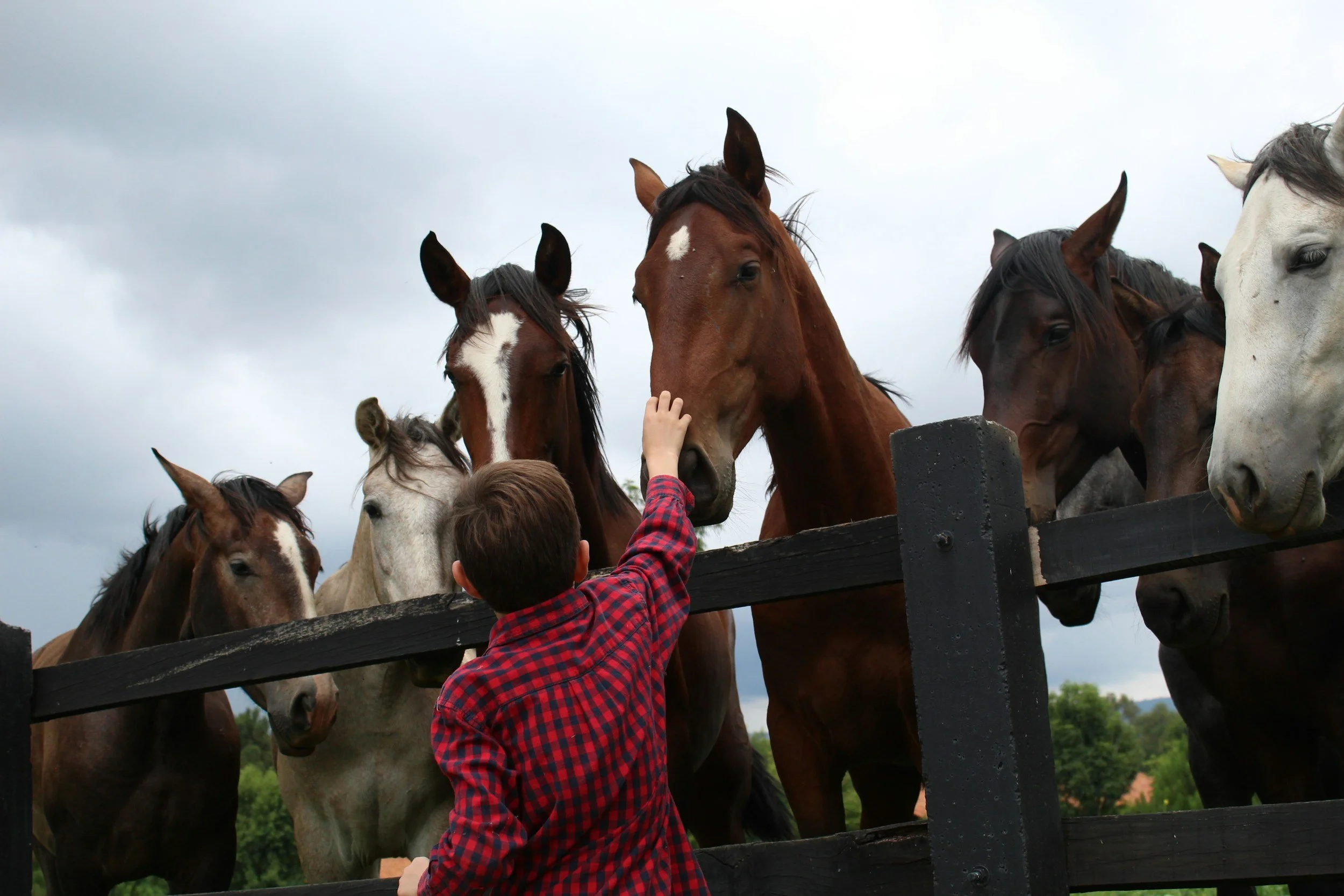
We offer one-to-one sessions for children, young people, and adults who may be experiencing challenges with emotional wellbeing, regulation, or relationships. Through working alongside horses, individuals are supported to develop greater self-awareness, confidence, and a sense of relational safety.
Sessions can take place at our sites or be delivered as part of a wider commissioned package within a school, care setting, or community environment.
-

Family & Systemic Work
We work with families, carers, and professional networks to strengthen relationships and support more stable, connected systems. This may include improving communication, increasing understanding of behaviour, and supporting placement stability.
This work can take place at our sites or within the environments where families and professionals are already working, allowing the support to remain relevant and embedded.
-

Education & Alternative Provision
We partner with schools, pupil referral units, and alternative provisions to support children and young people who may be struggling to engage, at risk of exclusion, or in need of a different approach.
Our work focuses on building regulation, trust, and re-engagement with learning, either through sessions at our sites or through delivery within educational settings as part of a commissioned provision.
-
Care & Residential Settings
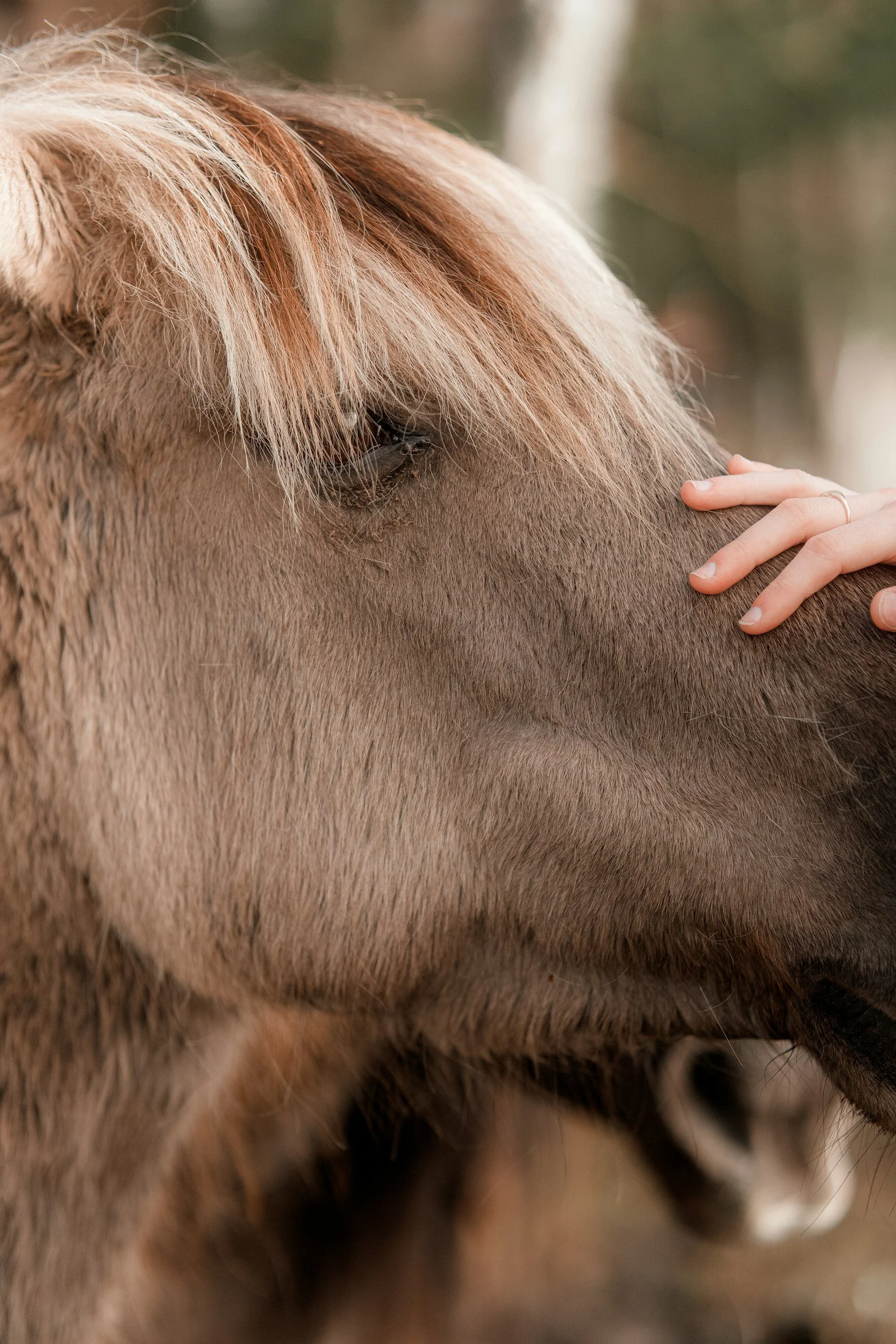
We support looked-after children, fostering agencies, and residential care providers through relational, trauma-informed work that focuses on stability, connection, and understanding behaviour within context.
We can deliver sessions at our sites or work directly within care and residential settings, supporting both young people and the wider system around them.
-

Secure & Specialist Settings
We deliver structured, relational interventions within secure and specialist environments, working with individuals who may present with complex needs or high levels of risk.
Our approach supports emotional regulation, relational safety, and engagement, and is delivered in collaboration with the professionals and systems already in place.
-
Professional Development & Training
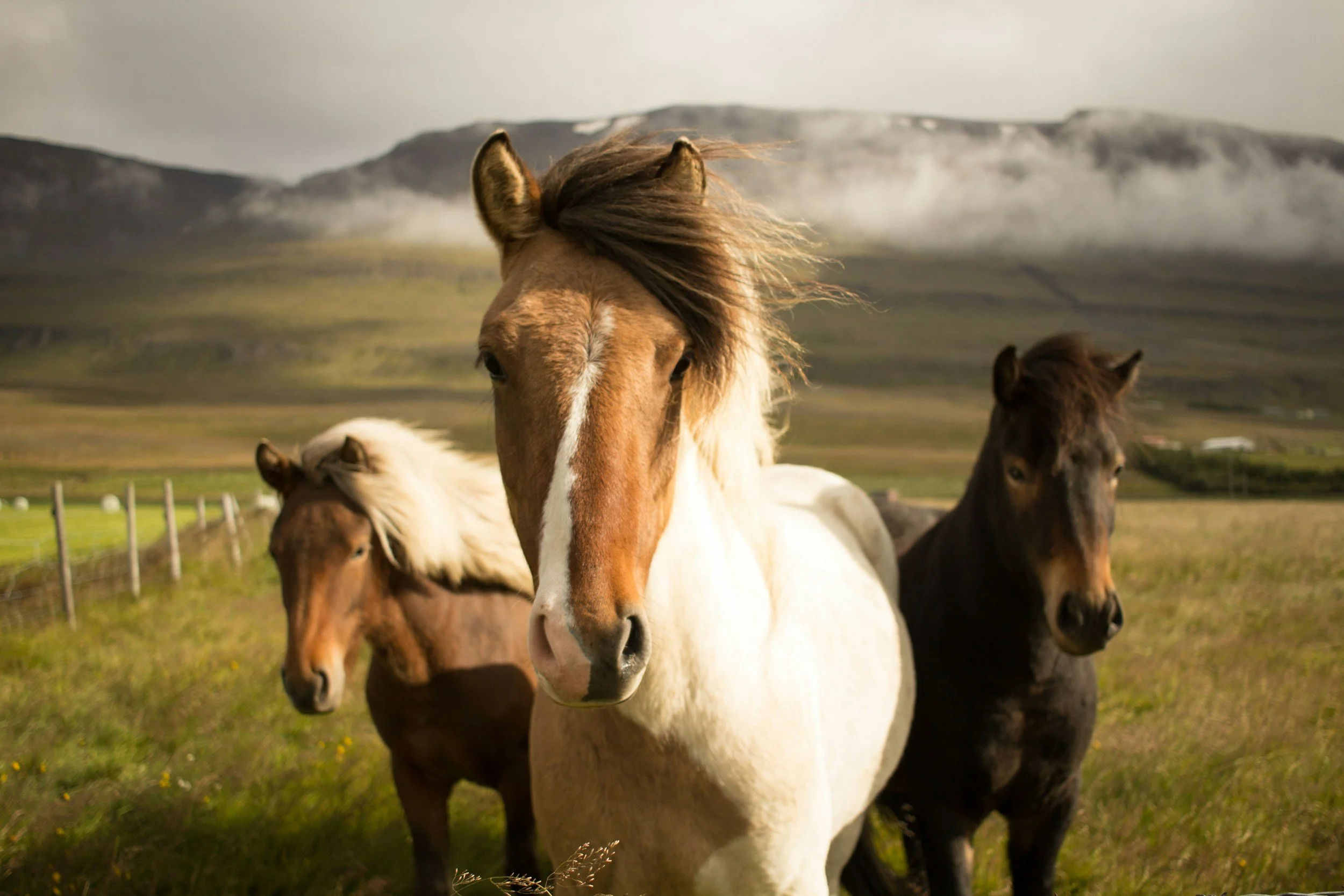
We offer training and reflective spaces for professionals working with children, families, and complex systems. This includes developing a relational understanding of behaviour, working systemically, and exploring how equine-facilitated approaches can inform practice.
Training can take place at our sites or be delivered within organisations as part of a commissioned programme.
We create the conditions for people, relationships and systems to thrive through relational, systemic and equine-informed practice.

Client Safety Agreement for Equine Interactions with The Therapeutic Tutors
Please be aware that before any EFL sessions can commence all clients will be expected to read, understand and sign the following safety agreement.
Safety Aspects of Horse-related Activities
-
I understand that I should always wear hard-soled, fully enclosed shoes or boots and socks to protect feet, and long trousers to protect legs while working around or interacting with horses.
-
Domesticated, well-trained horses are usually obedient, docile and affectionate; however, it is important to understand that their innate survival instincts. The following information has been collated with your safety in mind:
1. I am advised that all horses at The Therapeutic Tutors CIC run as a herd. The Therapeutic Tutors CIC believes in the promotion of natural herd behaviour such as mutual grooming, playing and companionship.
2. I am advised that horses involve risk and can be unpredictable by nature, with minds of their own, as are all animals both domestic and wild. The horse can be very responsive to your energy so be aware of how you are feeling.
3. I am advised that when a horse is frightened, angry, under stress or feels threatened, it is the horse’s instinct to move forward or sideways, to run away from danger or gallop to safety. Please be aware of your position / where you are standing when around theThe Therapeutic Tutors CIC. I am advised not to stand between multiple horses. I am advised to stand out of the way of the horses flight path.
4. I am advised that if a horse is frightened or feels threatened from behind, the horse may kick. Please be aware of your distance.
5. I am advised that a human must always approach a horse calmly and quietly with caution, preferably to the horse’s shoulder or lower neck.
6. I am advised that loud and/or sudden unexpected movements, such as dropping an object near a horse, can provoke a domesticated horse to react according to natural, protective instincts as described above.
6. I am advised that the first signs of anger or fear in a horse are the sudden tensing of the muscles of the body, possibly laying the ears flat back against the head, or quickly tossing or raising the head. I understand that the person taking responsibility for my time with the herd will manage any of these signs should they be evident.
7. I am advised that a horse can see independently with each eye, actually looking in one direction with one eye and another direction with the other eye. The horse can also focus both eyes on one object somewhere in front of him/her. Typically the direction in which the ear is pointing will tell an observer where the eye is looking on the same side and what the horse is listening to.
8. I am advised that a horse has two blind areas around which he/she cannot see. Those areas are directly behind the horse and directly in front. When a horse has his/her head lowered to the ground, the spot directly at the end of the nostrils is a blind area. This is the reason it is best to approach a horse close to the shoulder, and never to surprise a horse from the rear, or to reach first for the horse’s mouth, muzzle area.
9. I am advised that while a horse is very sure-footed by nature, horses may accidentally step on an object such as a human’s foot when they are balancing or turning around. When a horse is worked on unstable ground or slippery grass or footing, the horse could fall down and be injured.
10. In pursuing activities with the The Therapeutic Tutors CIC and being around the The Therapeutic Tutors CIC herd of horses the Participant understands and accepts the unavoidable risks inherent in herd and horse related activities including but not limited to bodily injury, physical harm, loss of property, damage or loss of lives. The Therapeutic Tutors CIC cannot accept any liability in relation to the same. The Participant knowingly and voluntarily engages in the same organised byThe Therapeutic Tutors CIC.
-
I acknowledge that practices such as mindfulness, experiential and equine facilitated learning are also recognised as having therapeutic value but note that the exercises in this workshop have no therapeutic intention and warrant that I will remain responsible for my own personal emotional well-being at all times during and after these sessions.
I have read and understand the above concerning protective attire, the nature and physical character of the horse and physical and mental wellbeing.
-
The client acknowledges that our sessions take place on our own site in a field and operate in all weather conditions, including heat, rain, and colder temperatures. Clients agree to come appropriately dressed for the weather, wearing suitable clothing and footwear for potential mud and other environmental conditions associated with an outdoor farming setting. The client accepts responsibility for their own comfort and preparedness.
Additionally, clients understand that they are guests in the horse herd’s environment. Our natural track system is designed to allow our horses to experience a lifestyle as close to their natural way of being as domestic horse care allows. It is imperative that clients respect our approach and adhere to our herd etiquette. As part of this, we do not hand-feed our horses. From an ethological perspective, hand-feeding can disrupt natural herd dynamics, encourage undesirable behaviours such as nipping, and create unnecessary competition or stress within the group. Instead, any treats such as apples and carrots must be placed in designated feed buckets. Clients agree to follow these guidelines to ensure the well-being of both the horses and themselves.
-
For the safety and well-being of our younger clients, we require a parent or legal guardian to be present during EFL sessions for individuals under the age of 18. This ensures appropriate supervision and support, especially given the large-animal environment and the potential for emotional exploration during sessions.
-
We encourage clients to push themselves beyond their comfort zones, whether physically, mentally, or emotionally. However, the choice to engage in any aspect of the experience—such as wading through mud, walking further than usual, or exploring challenging topics—remains entirely with the client. Clients are empowered to make decisions that align with their personal limits while still embracing opportunities for growth.
-
TTT operates with a strict "no social media" policy regarding its programs and location. This policy is in place for several key reasons:
To promote a focus on nature connection and mindfulness, rather than encouraging reliance on social media platforms.
To maintain the discretion and privacy of our clients, many of whom seek our services due to the confidential nature of our work and location.
To protect the privacy of our private location.
To allow our small team to concentrate on the clients, and not be distracted by social media.
To ensure the confidentiality of all clients is maintained, and not jeopordised by a social media post.
Therefore, the sharing of photographs, videos, or any other media related to TTT's programs, horses, or location on social media platforms is strictly prohibited.
Photo permission will not be given.
TTT will not be using social media platforms to display its services
-
By signing this agreement, you acknowledge that you have read, understood, and agree to the following terms and conditions as outlined on our website:
Booking Confirmation: You accept the communicated date as confirmation of your booking.
Refunds and Cancellation Policy: You understand that cancellations made after the 24-hour limit, or failure to attend your scheduled session, will result in a full charge.
Time Commitment: You agree to arrive on time for your session. If you are late, the session will still end at the scheduled time.
EFL Process: You understand that Equine Facilitated Learning (EFL) is a collaborative process requiring your active participation and motivation.
Number of Sessions: You acknowledge that the number of sessions required may vary depending on individual needs and goals.
Success Not Guaranteed: You understand that while EFL offers valuable tools for self-awareness and interpersonal skill development, success cannot be guaranteed.