

Welfare & Ethical Practice
Horse Welfare & Ethical Practice
The wellbeing of our horses is central to everything we do. Our work is grounded in respect, choice, and a commitment to creating positive experiences — not simply the absence of harm.
We are committed to ethical, reflective and professionally accountable practice. The Therapeutic Tutors CIC is an organisational member of the Association for Animals, Horticulture & Equine Practitioners (AAHEP), and our practitioners hold individual professional membership and PSA-registered accreditation through AAHEP.
We view our horses as respected partners in the learning process, and their welfare, agency and emotional wellbeing remain central to every aspect of our work.
Our Philosophy
At The Therapeutic Tutors, our horses are partners, not tools.
Every decision we make is guided by the welfare of the individual horse. We do not believe ethical practice is defined by blanket rules or assumptions, but by careful observation, evidence-informed decision-making, and a commitment to ensuring that every horse can thrive in the role they undertake.
Our horses are valued members of our team. Their physical health, emotional wellbeing and ability to make choices are fundamental to everything we do.
Positive Welfare
Our aim is not simply to avoid poor welfare but to actively promote positive welfare.
We want our horses to feel safe, confident and engaged in their daily lives. This means considering not only nutrition and veterinary care, but also social relationships, movement, enrichment, rest and opportunities to express natural horse behaviour.
Every horse is treated as an individual, with their own personality, preferences and needs.
Living as Horses
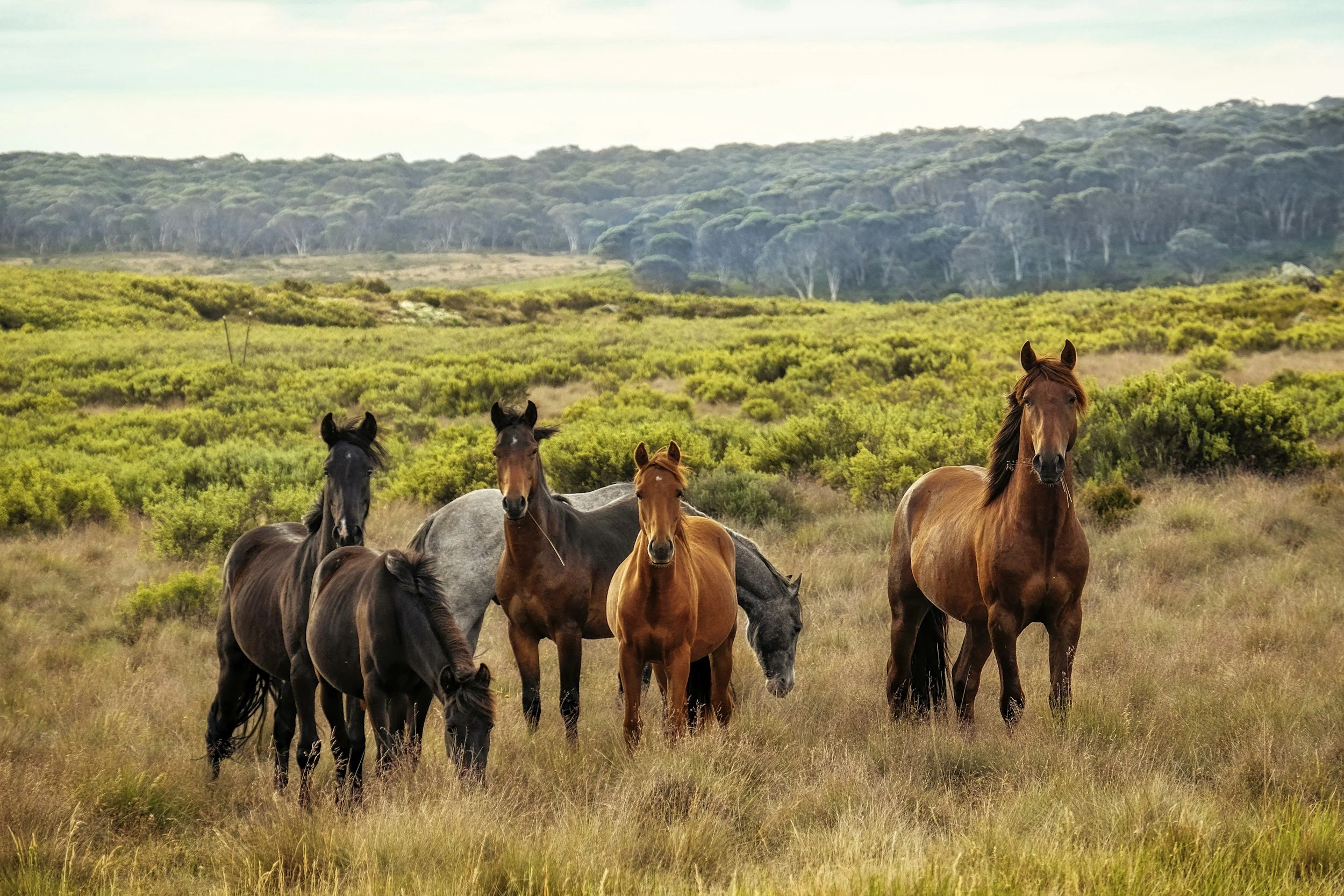
Our horses live in a herd environment with freedom to move, graze, rest and interact socially.
Wherever possible, they spend their time outdoors, making choices about where to stand, who to spend time with and how to engage with their environment. We believe these opportunities are essential for both physical and emotional wellbeing.
Management decisions are always made with the horse's long-term welfare in mind.
Welfare Monitoring
Every horse participating in our programmes is subject to ongoing welfare monitoring.
We complete structured welfare checks before travel, during off-site activities, after transport and once horses have returned home. These observations help us understand how each horse experiences their work and inform future decisions about participation.
We monitor not only physical health but also behavioural indicators such as willingness to engage, body language, recovery, appetite and general demeanour.
If a horse indicates that they are uncomfortable, stressed or not enjoying an activity, we adjust or stop their participation accordingly.
Managing Workload
We deliberately manage each horse's workload conservatively.
No horse is expected to participate beyond what they can comfortably and willingly sustain. Workloads are planned individually, with appropriate rest, recovery and rotation between activities.
Our decisions are informed by ongoing observation rather than arbitrary limits, recognising that each horse is unique.
Friends, Forage and Freedom
We believe that horses thrive when they can live as horses. That's why our management is built around the principles of friends, forage and freedom.
Our horses live in compatible social groups, with opportunities to build and maintain meaningful relationships with other horses. They have continuous access to forage and spend the majority of their time moving naturally across varied terrain, grazing, exploring, resting and making choices about how they spend their day. We believe that supporting these fundamental behavioural needs is the foundation of both physical health and emotional wellbeing.
These principles don't stop when we work away from home. When attending off-site programmes, we carefully plan transport, scheduling and session design to preserve as much familiarity, choice and comfort as possible. Horses are given time to settle on arrival, work for limited periods with experienced handlers monitoring their welfare throughout, and return promptly to their home environment, herd companions and normal routine. Our aim is that off-site participation complements, rather than compromises, the rich, horse-centred lives they enjoy every day.
Off-Site Programmes and Travel
Some of our programmes take place beyond our home environment, including in prisons and community settings.
We recognise that people may have questions about horses travelling for therapeutic work, so we are transparent about our approach.
Only horses who are relaxed and confident with transport are considered for off-site work. We do not assume that travel is inherently harmful or inherently beneficial. Instead, we assess each horse as an individual and make decisions based on their behaviour, health and ongoing welfare.
Travel is carefully planned to minimise stress, with experienced handlers, appropriate preparation and time for horses to settle before any client interaction begins.
How We Set Up Off-Site Sessions
When delivering away from our home base, we recreate a calm, spacious environment that places horse welfare at the centre of every session. Delivery typically takes place within a securely enclosed area of approximately 20m × 40m, providing an open paddock-style space rather than a confined or restrictive environment.
Our horses work at liberty, meaning they are free to move around the space and are never compelled to interact with participants. They have the autonomy to approach, observe from a distance, walk away, graze, rest or engage as they choose. We believe that authentic interaction comes from choice, not coercion.
Whenever they are working, our horses are accompanied by a trusted equine companion. They do not work in isolation and are able to remain alongside another member of the herd throughout delivery, reflecting their natural social behaviour.
At home, our horses live together as a herd, enjoying turnout, companionship and the opportunity to express normal equine behaviours. Their work is carefully rotated, with planned rest days and balanced schedules to ensure that no individual horse carries a disproportionate workload. Decisions about who works, when, and how often are based on each horse's physical condition, temperament and overall wellbeing.
Before accepting any off-site commission, we complete a comprehensive site feasibility assessment. This includes reviewing the available space, footing, fencing, access and loading arrangements, environmental factors, emergency procedures and overall suitability for both horses and participants. If a venue cannot meet our welfare standards, we will not deliver there.
We also invest time in helping our horses become familiar with their working environments, creating a calm and predictable “home-from-home” experience that supports confidence and reduces unnecessary stress.
Importantly, we do not believe that equine welfare is determined by whether a horse travels, but by how that horse is selected, managed and cared for. We intentionally work with horses that are experienced, confident travellers and comfortable in a variety of environments. Their wellbeing is continuously monitored, their workload is rotated, and they always retain the freedom to make choices within sessions.
This approach enables us to bring equine-facilitated interventions to schools, prisons and communities that may never otherwise have access to horses, while maintaining the highest standards of welfare, ethics and professional practice for the animals in our care
What an Off-Site Day Looks Like
Our off-site programmes are designed around the horses' welfare.
Typically:
Horses arrive well before sessions begin to allow them time to settle into the environment.
Client interactions are calm, purposeful and carefully facilitated.
Horses are continuously observed by experienced staff throughout the programme.
Sessions are structured to avoid unnecessary physical or emotional demands.
Horses return to their familiar home environment promptly after the programme.
Participation is always reviewed in light of the individual horse's wellbeing.
Welfare Monitoring
Every horse participating in our programmes is subject to ongoing welfare monitoring.
We complete structured welfare checks before travel, during off-site activities, after transport and once horses have returned home. These observations help us understand how each horse experiences their work and inform future decisions about participation.
We monitor not only physical health but also behavioural indicators such as willingness to engage, body language, recovery, appetite and general demeanour.
If a horse indicates that they are uncomfortable, stressed or not enjoying an activity, we adjust or stop their participation accordingly.
Managing Workload
We deliberately manage each horse's workload conservatively.
No horse is expected to participate beyond what they can comfortably and willingly sustain. Workloads are planned individually, with appropriate rest, recovery and rotation between activities.
Our decisions are informed by ongoing observation rather than arbitrary limits, recognising that each horse is unique.
Continuous Reflection
Horse welfare is not a static checklist but an ongoing responsibility.
We regularly review our practices, reflect on emerging research and remain open to adapting our approach as our understanding develops. By combining professional expertise with careful observation of each horse, we aim to ensure that welfare remains at the heart of every programme we deliver.
Our Commitment
We believe that ethical equine-assisted practice requires the wellbeing of both humans and horses to be protected.
By placing the horse's experience at the centre of our work, we seek to create programmes that are safe, respectful and sustainable—allowing carefully selected horses to participate in meaningful interactions while continuing to live healthy, fulfilling lives as horses.